BLOG
// ls -la ~/posts --sort=date

Why Is 5 GHz Wi-Fi Faster but Worse at Crossing Walls?
Your home router broadcasts two networks: 2.4 GHz and 5 GHz. One crawls through walls but is slow; the other is blazingly fast but suffocates one room away. This post shows what frequency actually does: why more bandwidth means more data per second; what happens when a wave meets a wall (transmission, reflection, absorption); why a concrete wall swallows up to 40 dB of power at 5 GHz; and how a 12 cm wavelength behaves differently from a 6 cm one around obstacles — with a Python simulation of a whole apartment's signal map and an interactive lab where you light the apartment up on both bands.
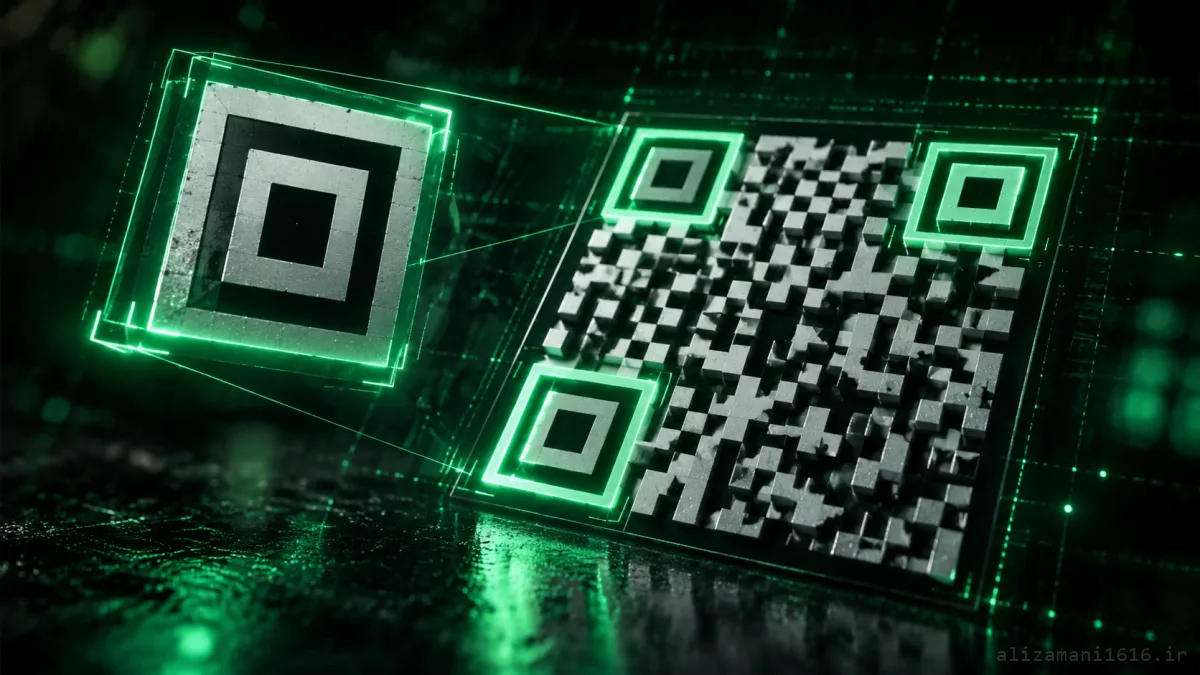
Why Does Every QR Code Have Three Squares in Its Corners?
Every QR code has three large squares in three corners and none in the fourth. This post shows what those three squares (the finder patterns) actually do: how a camera recovers a code's position, orientation and scale from a blurry, tilted photo; why exactly three — not two, not four; why their shape carries the 1:1:3:1:1 signature; and how Reed-Solomon error correction keeps a stained code readable — with Python scripts that build a code and find its squares, plus an interactive lab where you become the scanner.
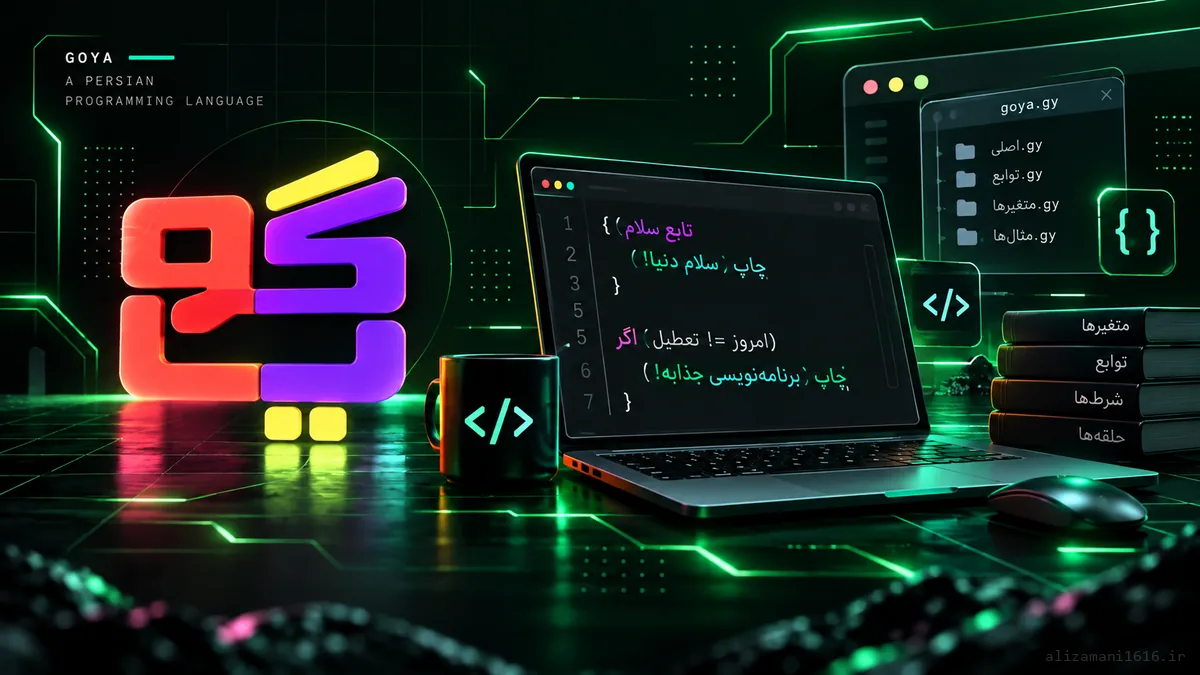
Goya: A Programming Language in Persian
Goya is a Persian programming language whose Persian-ness goes beyond translating a few commands: Persian keywords and digits, Persian error messages, Shamsi (Jalali) calendar support and a right-to-left Persian IDE. This post shows how it works — how to try it in the browser or from the REPL, and where the full MIT-licensed source lives.
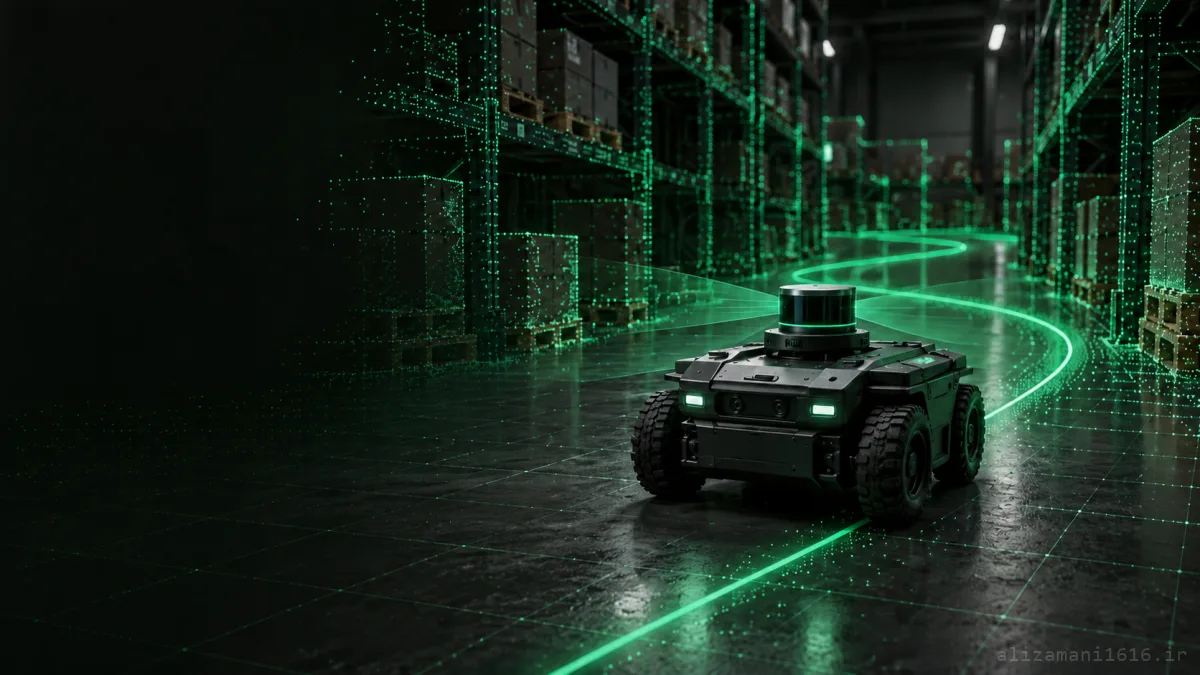
How Does a Robot Know Where It Is Without GPS? A Hands-On Introduction to SLAM
SLAM — Simultaneous Localization and Mapping: why counting wheel turns is not enough, how the chicken-and-egg problem of map and position gets solved, what loop closure does, and how front-end and back-end split the work — with a complete 2D landmark SLAM in Python and SciPy that cuts path error from 1.3 meters to 8 centimeters.

What Was That Screech When Dial-Up Connected?
That dial-up screech was not noise; it was a conversation between two modems. From the dial tone and DTMF to the 2100 Hz answer tone, the V.8 menu, and line probing: why every key played two tones, why the screech was audible on an ordinary handset, and why picking up the phone killed the connection — with a full Python rebuild of the sound and an interactive dial-up lab.

Ibn Sina and AI: When a Machine Says "I"
From Ibn Sina's Flying Man thought experiment to the problem of machine consciousness: intelligence vs self-modeling vs inner experience, Searle's Chinese Room, scientific theories of consciousness and the 2023/2025 reports — with a runnable Python example and an interactive demo.
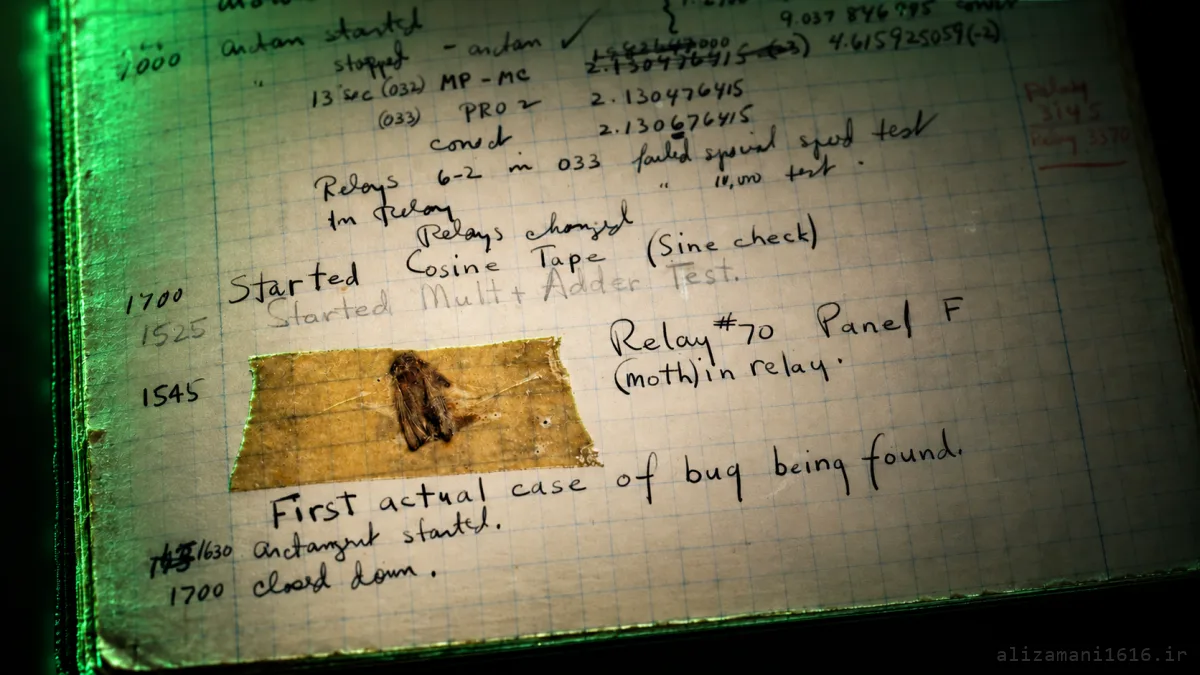
The First Computer Bug Was a Real Moth
The true story of the moth taped into the Harvard Mark II logbook on September 9, 1947: why one insect stalled a 25-ton machine, where the word "bug" really comes from (Edison, 1878), Grace Hopper's role, and the birth of systematic debugging — with a Python simulation and an interactive find-the-moth lab.

Is a Charged Power Bank Heavier Than an Empty One?
E=mc² in the real world: why a charged power bank is about 1.5 nanograms heavier, why incoming electrons are not the reason, how it compares to scale resolution, and the calculation in Python.

The Secret of Files We Delete but Never Truly Erase
Delete doesn't always mean data destruction. The operating system may just drop the file's address while its bits remain on the media. A deep dive into data recovery, HDD vs SSD, TRIM, and File Carving.